This 24 days Rwanda and Uganda safari combines mountain gorilla trekking, chimpanzee experiences, wildlife viewing, cultural encounters, rainforest walks and scenic landscapes. It covers Volcanoes National Park, Bwindi Impentrable National mPark, Queen Elizabeth Natuional Park, Kidepo Valley National Park, Murchison Falls National Park and Nyungwe Forest National Park. The safari also includes quieter places that reveal Uganda and Rwanda beyond the usual safari routes.
Day 1: Arrival at Kigali Airport
Day 2: Transfer to Nyungwe National park
Day 3: chimpanzee tracking and canopy walk
Day 4: Transfer to Volcanoes National park
Day 5: Gorilla trekking and cultural visit
Day 6: Hike Dian fossey’s grave and a visit to twin lakes of Burera and Ruhondo
Day 7: Golden Monkey Tracking and transfer to Lake Bunyonyi
Day 8: Boat cruise on Lake Bunyonyi
Day 9: Transfer to Bwindi national park
Day 10: Gorilla Tracking and community visit
Day 11: Transfer to Queen Elizabeth National park
Day 12: Game drive and afternoon boat cruise
Day 13: Community tour and transfer to Kibale national park
Day 14: Chimpanzee tracking and afternoon cultural walk in Bigodi community
Day 15: Transfer to Murchison Falls national park
Day 16: Game drive and boat cruise
Day 17: Visit the top of falls and transfer to Kidepo Valley National park
Day 18: Game Drive and Cultural Village Tour
Day 19: Transfer to Pian Upe wildlife reserve
Day 20: Game drive in Pian Upe
Day 21: Hike the Sipi Falls and visit coffee plantations
Day 22: Transfer to Jinja
Day 23: Visit the Source of the Nile
Day 24: Kampala or Entebbe city tour
Day 1: Arrival at Kigali International Airport
Upon arrival at Kigali International Airport, your safari guide will welcome you and transfer you to your hotel. The drive into the city usually takes between 20 and 30 minutes. Depending on your arrival time, you may relax at your hotel or enjoy a short tour of Kigali. One peaceful place to visit is Nyandungu Eco-Park. This restored wetland has walking trails, indigenous trees and several bird species. It receives fewer visitors than many city attractions. If you enjoy coffee, stop at one of Kigali’s specialty coffee cafés. Rwanda produces high-quality Arabica coffee and many cafés explain how it is grown and prepared.
Kigali is Rwanda’s capital and the country’s main entry point. The city is known for its clean streets, green hills and organised neighbourhoods. Besides museums and markets, Kigali has art galleries, coffee shops and cultural centres that introduce visitors to Rwanda’s history and daily life. Accommodation options include The Retreat by Heaven(luxury), Hotel des Mille Collines(mid-range) and ONOMO Hotel Kigali (budget).
Day 2: Transfer to Nyungwe National Park
After breakfast, begin the journey to Nyungwe National Park. The drive takes about 5 to 6 hours through Rwanda’s rolling hills. Your first stop is the King’s Palace Museum in Nyanza. The museum explains Rwanda’s traditional monarchy and displays the long-horned Inyambo cattle.
Continue to Huye, where you can visit the Ethnographic Museum. Its collections explain Rwanda’s culture, history and traditional lifestyle. As you continue south, the scenery changes into tea plantations covering the hillsides. Many visitors stop briefly at Gisakura Tea Estate to enjoy the beautiful views. Arrive at Nyungwe National Park during the afternoon. If time allows, enjoy a short guided walk around the lodge to watch birds and small forest wildlife.
Nyungwe National Park lies in southwestern Rwanda and protects one of Africa’s oldest mountain rainforests. The park covers over 1,000 square kilometres and supports a rich variety of wildlife. It is home to chimpanzees, 13 primate species, hundreds of birds, orchids, butterflies and large forest trees. Nyungwe is also known for its canopy walkway and scenic hiking trails. Accommodation options include One&Only Nyungwe House (luxury), Nyungwe Top View Hill Hotel (mid-range) and Gisakura Guest House (Budget).
Day 3: Chimpanzee tracking and canopy walk
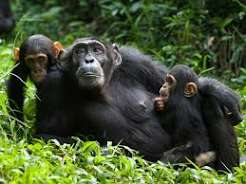
Wake early for breakfast before driving to the park headquarters for a briefing. Experienced rangers will explain the tracking rules before leading you into the forest. Chimpanzees move quickly through the trees, making every trek different. Their loud calls often echo through the forest before they become visible.
After locating the group, spend one hour observing their natural behaviour. Watch them feed, groom one another and communicate through different sounds. Return to the lodge for lunch before visiting the famous Nyungwe Canopy Walk.
The suspended bridge hangs about 70 metres above the forest floor and stretches for around 160 metres. From here, you can enjoy excellent views across the rainforest canopy. Look carefully for blue monkeys, colourful birds, butterflies, and giant forest trees. For travellers who enjoy quieter trails, the nearby Igishigishigi Trail offers beautiful scenery and receives fewer visitors than some longer hikes. Return to your lodge for dinner. Accommodation options include One&Only Nyungwe House (luxury), Nyungwe Top View Hill Hotel (mid-range) and Gisakura Guest House (budget).
Day 4: Transfer to Volcanoes National Park
Leave Nyungwe after breakfast and begin the journey to Volcanoes National Park. The drive takes about 6 to 7 hours. Instead of travelling directly, follow the scenic road along Lake Kivu. This route passes fishing villages, coffee farms and viewpoints overlooking the lake. Stop in Kibuye for lunch while enjoying views across Lake Kivu.
Continue north through Gisenyi before arriving near Volcanoes National Park. If time allows, visit the Ellen DeGeneres Campus of the Dian Fossey Gorilla Fund. The centre explains mountain gorilla conservation through interactive exhibits.
Volcanoes National Park is located in northern Rwanda within the Virunga Mountains. It is Rwanda’s only destination for mountain gorilla trekking and golden monkey tracking. The park contains bamboo forests, volcanic slopes and afro-montane vegetation. It also protects several habituated gorilla families and the historic Karisoke Research Centre founded by Dian Fossey. Accommodation options include Bisate lodge (luxury), Five Volcanoes Boutique Hotel (mid-range) and Da Vinci Gorilla Lodge (budget).
Day 5: Gorilla Trekking and Iby’Iwacu Cultural Village
Wake before sunrise for breakfast before heading to the park headquarters. Park rangers will assign each visitor to a habituated gorilla family according to fitness level and gorilla location. The trek may take between 2 and 6 hours. Some families live close to the starting point while others move higher into the mountains. After finding the gorillas, spend one hour observing them. Watch the silverback protect his family. Young gorillas often climb trees or wrestle together while mothers care for infants.
After lunch, visit the Iby’Iwacu Cultural Village also known as Gorilla Guardians Village. Former hunters now share traditional dances, music, cooking methods, medicinal plants and local customs. The visit also explains how tourism supports conservation and community livelihoods. Return to your lodge in the evening. Accommodation options include Bisate lodge (luxury), Five Volcanoes Boutique hotel (mid- range) and Da Vinci gorilla lodge (budget)
Day 6: Dian Fossey hike and visit to the twin lakes
After breakfast, begin the hike to Dian Fossey’s former research camp. The walk takes about three to four hours through bamboo forests and mountain vegetation. Along the trail, guides explain Dian Fossey’s work to protect mountain gorillas from poaching. You will also visit her grave and those of several gorillas she worked to protect.
After descending, enjoy lunch before visiting the Twin Lakes of Burera and Ruhondo. These peaceful lakes sit beneath the Virunga Volcanoes and remain less crowded than many popular attractions. Take a short canoe ride with local fishermen or enjoy a guided village walk along the lakeshore. If time allows, visit a nearby coffee cooperative to learn how local farmers grow and process Arabica coffee. Return to your lodge for dinner. Accommodation options include Bisate lodge (luxury), Five Volcaones hotel (mid-range) and Da Vinci gorilla lodge (budget)
Day 7: Golden Monkey Tracking and Transfer to Lake Bunyonyi
After an early breakfast, drive to the Volcanoes National Park headquarters for a briefing before golden monkey tracking. Golden monkeys live mainly in bamboo forests on the lower slopes of the Virunga Mountains. They move quickly through the trees and often feed on bamboo shoots, fruits and insects. Spend one hour observing these lively primates after locating the troop. Their playful behaviour provides excellent photography opportunities.
Return to the lodge for lunch before crossing into Uganda through the Cyanika Border. Continue to Lake Bunyonyi. The journey takes about 4 to 5 hours including border formalities. As you approach the lake, the scenery changes into rolling hills covered with terraced farms. Small villages overlook the water creating one of Uganda’s most beautiful landscapes. If time allows, enjoy the sunset from one of the lakeside viewpoints.
Lake Bunyonyi lies in southwestern Uganda between Kabale and Kisoro districts. It is one of the deepest lakes in Africa and is surrounded by green terraced hills. The lake has 29 islands, each with its own history and local stories. It is also one of the few lakes in Uganda considered safe for swimming because it has no crocodiles or hippos. Accommodation options include Arcadia Cottages Lake Bunyonyi (luxury), BirdNest Resort Bunyonyi (mid- range) and Bunyonyi Overland Resort (budget)
Day 8: Boat Cruise on Lake Bunyonyi
After breakfast, take a guided canoe or motorboat cruise across Lake Bunyonyi. Your guide will explain the history behind several islands including Punishment Island. According to local tradition, unmarried pregnant girls were once abandoned there. Today, it serves as a reminder of changing cultural practices. Continue to Bwama Island where an old missionary settlement once operated a leprosy treatment centre.
Visit Sharps Island to learn about local education projects established during the colonial period. For a quieter experience, stop at one of the smaller islands where local families continue traditional farming and fishing. After lunch, enjoy a guided walk through nearby villages. Meet local farmers growing sorghum, beans, potatoes, and vegetables on the surrounding hillsides. You may also visit a women’s craft group producing handmade baskets using traditional weaving methods. Return to your lodge before sunset. Accommodation options include Arcadia Cottages Lake Bunyonyi (luxury), BirdNest Resort Bunyonyi (mid-range) and Bunyonyi Overland Resort (budget).
Day 9: Transfer to Bwindi Impenetrable National Park

Enjoy a relaxed breakfast before leaving Lake Bunyonyi. Drive to Bwindi Impenetrable National Park. Depending on your trekking sector, the journey takes about 2 to 4 hours. The road climbs through terraced hills before entering dense rainforest. Along the way, stop at local markets where farmers sell fresh fruits, honey, handmade baskets, and traditional crafts. If your accommodation is near Buhoma, consider visiting the nearby Munyanga River Trail during the afternoon. This quiet forest walk offers opportunities to see butterflies, birds and several monkey species. Travellers staying in Rushaga or Nkuringo may enjoy scenic viewpoints overlooking the Virunga Volcanoes.
Bwindi Impenetrable National Park is located on the edge of the Albertine Rift Valley in southwestern Uganda. It protects one of Africa’s oldest rainforests and is home to the largest population of mountain gorillas in the world. The park also supports many bird species, primates, butterflies and unique plant life. Accommodation options include Sanctuary Gorilla Forest Camp and Clouds Mountain Gorilla Lodge (luxury), Mahogany Springs Lodge and Gorilla Mist Camp ( mid- range), Ride 4 a Woman Guest House and Broadbill Forest Camp (budget)
Day 10: Gorilla Trekking and Community Visit
Wake early before heading to the park headquarters for your briefing. Park officials will assign each visitor to a habituated gorilla family. Assignments depend on fitness levels and gorilla locations. Begin your guided trek through Bwindi’s rainforest. The hike may last between 2 and 7 hours. Dense vegetation, steep slopes and narrow trails make every trek different. After locating the gorillas, spend one hour watching them interact naturally. Observe the silverback leading his family while young gorillas play around nearby. After lunch, visit a Batwa community.
The Batwa were among the first people to live in Bwindi Forest before the park became protected. Community guides explain traditional hunting methods, forest survival skills, medicinal plants, music, and storytelling. This visit provides a deeper understanding of the relationship between conservation and local communities. Return to your lodge for dinner. Accommodation options include Sanctuary Gorilla Forest Camp and Clouds Mountain Gorilla Lodge (Luxury), Mahogany Springs Lodge and Gorilla Mist Camp (Mid-range),Ride 4 a Woman Guest House and Broadbill Forest Camp (Budget).
Day 11: Transfer to Queen Elizabeth National Park
After breakfast, leave Bwindi and drive north towards Queen Elizabeth National Park. The journey takes about 4 to 5 hours. Enter the park through the Ishasha Sector, which is famous for its tree-climbing lions. Enjoy a slow game drive while searching for lions resting in large fig trees. Besides lions, you may also see elephants, buffaloes, topis, Uganda kobs and warthogs. Continue towards the Mweya Peninsula, passing open grasslands, crater lakes and volcanic landscapes. If time allows, stop at the Katwe Explosion Craters. These viewpoints offer panoramic views across the western Rift Valley. Arrive at your lodge during the evening.
Queen Elizabeth National Park is Uganda’s most visited savannah park. It stretches from the foothills of the Rwenzori Mountains to Lake Edward. The park contains open grasslands, forests, wetlands, crater lakes and the Kazinga Channel. These habitats support a wide variety of wildlife and birds. Accommodation options include Mweya Safari Lodge and Kyambura Gorge Lodge (luxury), Elephant Plains Lodge and Twin Lakes Safari Lodge (mid-range), Pumba Safari Cottages and Bush Lodge (budget)
Day 12: Morning game drive and Afternoon Kazinga Channel boat cruise
Leave early for a sunrise game drive across Kasenyi Plains. Morning is the best time to search for lions, leopards, hyenas, elephants, buffaloes and Uganda kobs. Your guide will also explain animal behaviour and the park’s different habitats. Return to the lodge for lunch before heading to the Kazinga Channel.
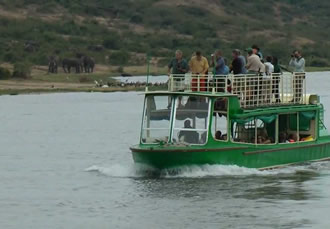
The afternoon boat cruise offers one of Uganda’s best wildlife viewing experiences. Large groups of hippos spend much of the day in the water. Nile crocodiles rest along the banks while elephants and buffaloes visit the shoreline to drink. The channel also supports many bird species including African fish eagles, pelicans, kingfishers and saddle-billed storks. After the cruise, visit the Katwe Salt Lake community if time allows. Local guides explain traditional salt mining methods that have supported nearby families for generations. Return to your lodge before sunset. Accommodation options include Mweya Safari Lodge and Kyambura Gorge Lodge (luxury), Elephant Plains Lodge and Twin Lakes Safari Lodge (mid-range), Pumba Safari Cottages and Bush Lodge ( budget)
Day 13: Community Tour and Transfer to Kibale National Park
After breakfast, visit the Katwe Salt Lake community if you did not visit the previous day. Local guides explain traditional salt mining methods that have been practised for generations. Continue north towards Kibale National Park. The drive takes about 3 to 4 hours and passes through tea plantations, crater lakes and small trading centres.
Along the way, stop at the Ndali-Kasenda Crater Lakes. This beautiful area has dozens of volcanic crater lakes surrounded by forest and farmland. Many visitors pass through without stopping, making it one of western Uganda’s hidden gems. You can also visit a tea estate near Fort Portal. Learn how tea is harvested before enjoying views across the green hills. Arrive at your lodge during the afternoon. If time allows, enjoy a short nature walk around the property. Accommodation options include Kyaninga Lodge (luxury), Turaco Treetops (mid-range) and Chimpanzee Forest Guesthouse (budget).
Day 14: Chimpanzee tracking and Bigodi community walk
Wake early before driving to Kanyanchu Visitor Centre for a briefing. Experienced rangers will lead you into the forest in search of chimpanzees. The trek may last between 1 and 4 hours depending on where the chimpanzees spent the previous night. After locating them, spend one hour observing their behaviour. Watch them climb trees, gather food, groom one another and communicate with loud calls.
Return to the lodge for lunch before visiting the Bigodi Wetland Sanctuary. This community-managed wetland supports monkeys, birds, butterflies and many wetland plants. Continue into Bigodi Village where local guides explain traditional food preparation, coffee processing, banana brewing and basket weaving. This experience provides a closer look at everyday life outside the national park. Return to your lodge before sunset. Accommodation options includeKyaninga Lodge (luxury), Turaco Treetops (mid-range), Chimpanzee Forest Guesthouse (budget)
Day 15: Transfer to Murchison Falls National Park
After breakfast, leave Kibale and begin the journey north to Murchison Falls National Park. The drive takes about 7 to 8 hours through Hoima and the Albertine Rift region. Along the way, stop at the Kabwoya Wildlife Reserve viewpoint overlooking Lake Albert. This peaceful location offers beautiful scenery. Continue through small villages before entering Murchison Falls National Park. If time allows, enjoy an evening drive near the northern bank where giraffes, elephants and antelopes often gather before sunset. Relax at your lodge overlooking the Nile or nearby savannah.
Murchison Falls National Park is Uganda’s largest national park. It stretches from the shores of Lake Albert to the Karuma area in northern Uganda. The park is divided by the River Nile which flows through the landscape before forcing its way through a narrow rocky gorge to form Murchison Falls. The park protects open savannah, woodlands, riverine forests and wetlands that support a rich variety of wildlife. Accommodation options include Paraa Safari Lodge and Nile Safari Lodge (luxury),Pakuba Safari Lodge (mid-range), Fort Murchison Lodge (budget).
Day 16: Morning game drive and Afternoon Boat Cruise
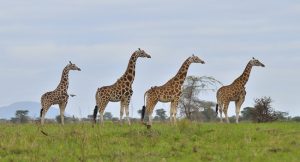
Leave before sunrise for a game drive across the northern savannah. Watch for elephants, lions, giraffes, buffaloes, hartebeests, Uganda kobs and oribis. Leopards may also appear during the early morning hours. Return for breakfast before relaxing at the lodge.
After lunch, take the boat cruise along the River Nile towards the base of Murchison Falls. The cruise passes large pods of hippos, Nile crocodiles, elephants and many water birds. Watch the falls become louder as the river narrows into a rocky gap before crashing downstream. Bird lovers may spot African fish eagles, kingfishers, bee-eaters and the rare shoebill in nearby wetlands. Return by boat during the late afternoon. Accommodation options include Paraa Safari Lodge and Nile Safari Lodge (luxury)Pakuba Safari Lodge (mid-range)Fort Murchison Lodge (budget).
Day 17: Visit the Top of Murchison Falls and Transfer to Kidepo Valley National Park
After breakfast, visit the top of Murchison Falls. Here, the River Nile squeezes through a narrow gorge only about seven metres wide before dropping over forty metres below. The viewing platforms provide excellent opportunities for photography. Afterwards, begin the long drive to Kidepo Valley National Park. The journey takes about 7 to 8 hours through northern Uganda. Along the way, pass rural villages, open grasslands and changing landscapes that many visitors rarely experience. Arrive in Kidepo during the evening.
Kidepo Valley National Park lies in Uganda’s remote northeastern corner near the borders of South Sudan and Kenya. It is surrounded by rugged mountains, wide valleys and open plains. Because of its remote location, the park receives fewer visitors than other parks in Uganda. It supports several wildlife species that are rarely seen elsewhere in the country. Accommodation options include Apoka Safari Lodge (luxury), Kidepo Savannah Lodge (mid-range) and Kidepo Savannah Lodge Bandas (budget).
Day 18: Game Drive and Karamojong Cultural Village Tour
Begin your day with a game drive across the Narus Valley. This area has permanent water sources that attract wildlife throughout the year. Look for elephants, buffaloes, giraffes, zebras, ostriches, cheetahs and several antelope species. Kidepo also supports species that are difficult to find elsewhere in Uganda including bat-eared foxes, striped hyenas and caracals.
After lunch, visit a traditional Karamojong Manyatta. Community members explain their way of life, livestock keeping, traditional homes, dances and bead making. You may also learn about local farming methods and how families adapt to the dry climate. If time allows, drive to the Kanangorok Hot Springs near the South Sudan border. Few visitors reach this remote part of the park, yet it offers beautiful scenery and excellent bird watching. Return to your lodge before sunset. Accommodation options includeApoka Safari Lodge (luxury), Kidepo Savannah Lodge (mid-range) and Kidepo Savannah Lodge Bandas (budget)
Day 19: Transfer from Kidepo Valley National Park to Pian Upe Wildlife Reserve
After breakfast, leave Kidepo Valley National Park and begin the journey towards Pian Upe Wildlife Reserve. This is one of the longest travel days of the safari taking about 8 to 10 hours. The route passes through the remote landscapes of northern Uganda. You will see dry plains, small villages and traditional homesteads along the way. The journey itself offers a chance to experience the changing landscapes of Uganda. The scenery slowly changes from the rugged mountains of Karamoja to the open plains around Pian Upe. Arrive at the reserve in the evening and relax at your accommodation. If time allows, enjoy a short sunset walk around the camp area while watching birds and small wildlife.
Pian Upe Wildlife Reserve is one of Uganda’s largest protected areas, located in the northeastern part of the country. It covers a vast landscape of grasslands, rocky hills, wetlands, and seasonal rivers. The reserve is less visited than Uganda’s national parks making it a peaceful destination for travellers looking for a quieter wildlife experience. Pian Upe is home to animals such as cheetahs, giraffes, zebras, elands, buffaloes, ostriches, hartebeests and several antelope species. It also supports many bird species including the rare ostrich and Karamoja apalis. Accommodation options include Pian Upe Wildlife Reserve Cottages and Community campsites near the reserve.
Day 20: Game Drive in Pian Upe Wildlife Reserve
Start the day with a morning game drive across the reserve. The open plains provide excellent views of wildlife moving through the grasslands. Look for zebras, giraffes, buffaloes, elands, Uganda kobs, oribis and hartebeests. The reserve is also one of the few places in Uganda where visitors may spot cheetahs. Bird lovers can search for ostriches, eagles, bustards and the Karamoja apalis, a bird species found only in this region.
After lunch, explore the rocky landscapes and seasonal wetlands. Your guide may take you to areas with ancient rock formations and caves. Some caves contain paintings and markings linked to earlier communities. In the evening, enjoy the quiet atmosphere of the reserve. Unlike busy parks, Pian Upe allows visitors to experience wildlife without large crowds.
Day 21: Hike Sipi Falls and Visit coffee plantations
After breakfast, drive to Sipi Falls. The journey takes about 3 to 4 hours. The road passes through eastern Uganda’s countryside before reaching the slopes of Mount Elgon. Upon arrival, begin a guided hike to the three Sipi waterfalls. The trail passes through farms, forest patches and local villages. The main waterfall drops dramatically down a cliff, creating beautiful views across the surrounding plains.
After the hike, visit a local coffee farm. Sipi is one of Uganda’s leading Arabica coffee-growing areas. Farmers explain the full coffee process, from planting and harvesting to drying, roasting, and tasting. For adventure lovers, optional activities include abseiling beside the falls or visiting hidden caves around the cliffs. Spend the evening enjoying views of Mount Elgon.
Sipi Falls is a group of three waterfalls located on the foothills of Mount Elgon in eastern Uganda. The area is surrounded by coffee plantations, green hills, rivers and small villages. It offers a combination of nature, adventure and cultural experiences. The region is famous for Arabica coffee growing. Local farmers guide visitors through coffee gardens and explain traditional harvesting, drying, roasting and brewing methods. Accommodation options include Sipi River Lodge (luxury), Lacam Lodge (mid-range) and Crow’s Nest Rest Camp (budget).
Day 22: Transfer to Jinja
After breakfast, leave Sipi Falls and drive to Jinja. The journey takes about 4 to 5 hours. Along the way, stop at local roadside markets to experience everyday life in eastern Uganda. You may also visit the Nyero Rock Paintings if time allows. These ancient paintings are among Uganda’s important archaeological sites and provide insight into early human settlement.
Arrive in Jinja during the afternoon. Relax by the River Nile or explore the historic town centre. Visit the old colonial streets where many buildings still show Jinja’s early trading history. Spend the evening beside the Nile. Jinja is a historic town in southeastern Uganda located near the source of the River Nile. It is known for its colonial buildings, riverside scenery, adventure activities and cultural attractions. The town provides a relaxing end to a long safari. Accommodation options include Wildwaters Lodge (luxury), Nile Porch (mid-range) and Source of the Smile Hotel (budget).
Day 23: Visit the Source of the Nile
After breakfast, visit the Source of the Nile. This is the point where the Victoria Nile begins its journey from Lake Victoria towards northern Uganda and eventually Egypt. Take a boat trip to the exact source point while learning about the history of Nile exploration. After the boat ride explore nearby attractions. Visit the Mabira Forest Reserve, one of Uganda’s largest remaining tropical forests. It offers nature walks, bird watching and opportunities to see monkeys. For a quieter experience, visit local fishing communities along the Nile. These communities provide insight into life along Uganda’s most famous river. Return to Jinja for your final evening. Accommodation options include Wildwaters Lodge (luxury), Nile Porch (mid-range) and Source of the Smile Hotel (budget).
Day 24: Kampala or Entebbe City Tour and Departure
After breakfast, drive towards Kampala or Entebbe depending on your flight schedule. The journey from Jinja takes about 2 to 3 hours. In Kampala, visit the Uganda Museum to learn about the country’s history, cultures and traditions. You can also visit the Kasubi Tombs, a UNESCO World Heritage Site and burial place of Buganda kings. For local experiences, explore Owino Market or craft markets for handmade souvenirs.
If staying in Entebbe before your flight, visit the Uganda Wildlife Conservation Education Centre. The centre cares for rescued wildlife and provides conservation education. You may also walk through the Entebbe Botanical Gardens established in the late 19th century or relax along the shores of Lake Victoria. Your guide will transfer you to Entebbe International Airport for your departure flight.
End of Safari
This Safari Package Covers:
Game drive and launch cruise fees
Park Ranger Fees
All relevant Government Taxes
Full Board Accommodation and en-route meals as indicated in the itinerary.
Full-time English speaking Driver/Guide
Ground Transportation by a 4×4 safari vehicle
Airport transfer, as long as your flight is on the same day on which the safari ends.
The Safari Excludes
Airfares
Visa Fees
Personal Insurance
Expenses of personal nature such as; drinks, tips, laundry, telephone, cigarettes, accommodation & meals not indicated in the itinerary and optional activities
Content for the tab Gallery