

This 3-Day Tanzania safari starts and ends in Arusha and covers three destinations on Tanzania’s Northern Safari Circuit. The route includes Tarangire National Park, Lake Manyara National Park and the Ngorongoro Conservation Area. The safari combines wildlife viewing, bird watching, different landscapes and optional cultural activities around Mto wa Mbu and Karatu.
Trip summary
Day 1: Arusha to Tarangire National park
Day 2: Karutu to Lake Manyara National Park
Day 3: Karutu to Ngorongoro Crater
3-Day Tanzania Safari – Detailed itinerary
Day 1: Arusha to Tarangire National Park
The safari starts with an early morning pick-up from your hotel in Arusha. After meeting your driver-guide, you receive a short briefing before leaving the city for Tarangire National Park. The drive from Arusha to Tarangire usually takes about 2 to 3 hours depending on your starting point, traffic and road conditions. The journey takes you through cultivated areas, small settlements and open countryside before reaching the park.
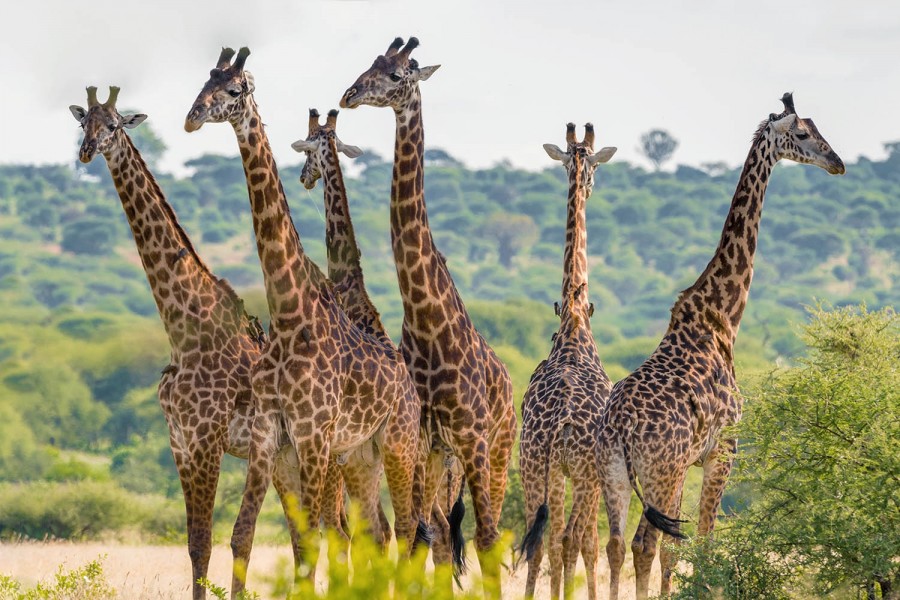
Tarangire is located south west of Arusha and is one of the main wildlife areas on Tanzania’s Northern Safari Circuit. The park is known for its elephants, large baobab trees, seasonal wetlands and the Tarangire River. Tarangire also supports predators. Lions, leopards and hyenas live in the park although sightings depend on their movements and the availability of prey. The park hosts over 500 bird species. Depending on the season, you may see hornbills, rollers, starlings, guinea fowl, eagles, vultures, kingfishers and other species.
After completing the park entry procedures, the game drive begins. You travel in a safari vehicle along designated roads and tracks while the driver-guide searches for wildlife. During the game drive you may spot elephants, giraffes, zebras, wildebeest, buffaloes, impalas, gazelles, warthogs and other antelopes may also be encountered. A packed lunch can be served at a designated picnic area. Visitors are expected to follow the guide’s instructions because wild animals can move through areas where people are eating. Food should never be offered to wildlife.
After lunch, the game drive continues through different sections of the park. The afternoon route may include woodland, grassland or areas around water. If the schedule allows, you can make a short stop around Mto wa Mbu while travelling towards your accommodation. Mto wa Mbu is known for its farming, local markets, craft workshops and mixture of communities. A local guide can arrange a short farm visit, cooking activity, craft demonstration or village walk.
After leaving the park, continue towards Karatu. The drive generally takes about 1 to 2 hours, depending on the park exit and location of the lodge. Karatu is located between Lake Manyara and the Ngorongoro Conservation Area. Accommodation options include Ngorongoro Farm House, Marera Valley Lodge, Eileen’s Trees Inn and Bougainvillea Safari Lodge.
Day 2: Karatu to Lake Manyara National Park
After breakfast, leave your accommodation in Karatu and drive towards Lake Manyara National Park. The journey usually takes about 30 to 60 minutes depending on the location of your lodge and the park entrance being used. Lake Manyara is located below the western escarpment of the Great Rift Valley. The park contains several different habitats including groundwater forest, woodland, open grassland, wetlands and lake shore.
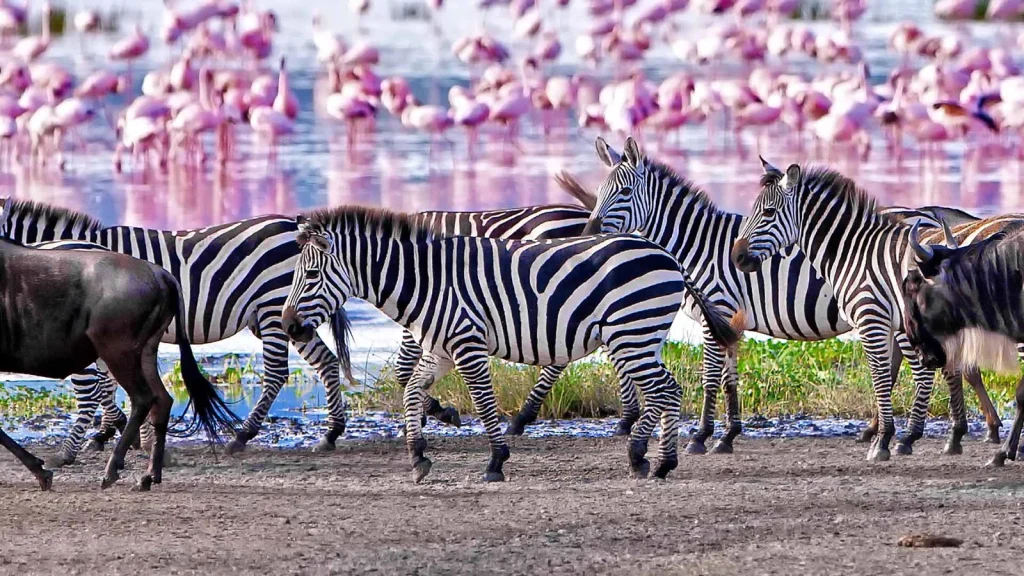
After entering the park, the game drive begins in the forested sections which are known for primates including large troops of baboons and blue monkeys. During the drive you may encounter elephants, giraffes, buffaloes, zebras, wildebeest, impalas and warthogs. The game drive may then continue towards the lake and wetland areas. Depending on the season and water conditions you may see flamingos, pelicans, herons, egrets, storks, fish eagles and kingfishers. Hippos may also be seen in suitable water areas.
Lake Manyara is also associated with tree-climbing lions. Your guide may check trees in areas where lions have recently been reported. The lions may be resting on branches during the hotter part of the day. However, seeing lions in trees is not guaranteed.
Lunch can be taken at a designated picnic area or at the lodge depending on the safari arrangement. After lunch, continue with the game drive or leave the park for an optional activity around Mto wa Mbu. Visitors who want to learn about local life can arrange a guided village walk, farm visit, cooking experience or craft workshop. Later in the afternoon, leave Lake Manyara and return to Karatu for dinner and overnight. Accommodation options include Ngorongoro Farm House, Marera Valley Lodge, Eileen’s Trees Inn or Bougainvillea Safari Lodge.
Day 3: Karatu to Ngorongoro Crater
The final day begins with a game drive inside Ngorongoro Crater before returning to Arusha. After breakfast, leave Karatu and travel towards the Ngorongoro Conservation Area. The journey normally takes about 30 to 60 minutes to the relevant access area, depending on the location of the accommodation and the route used.
As the vehicle moves into the Ngorongoro highlands, the landscape becomes cooler and more elevated. Forests, grasslands and cultivated areas can be seen around the highland communities. The Ngorongoro Conservation Area is different from a national park. It is a multiple-use conservation area where wildlife conservation takes place alongside human activities including pastoralism. The main attraction is Ngorongoro Crater, a large volcanic caldera. After completing the required procedures, the safari vehicle descends towards the crater floor.
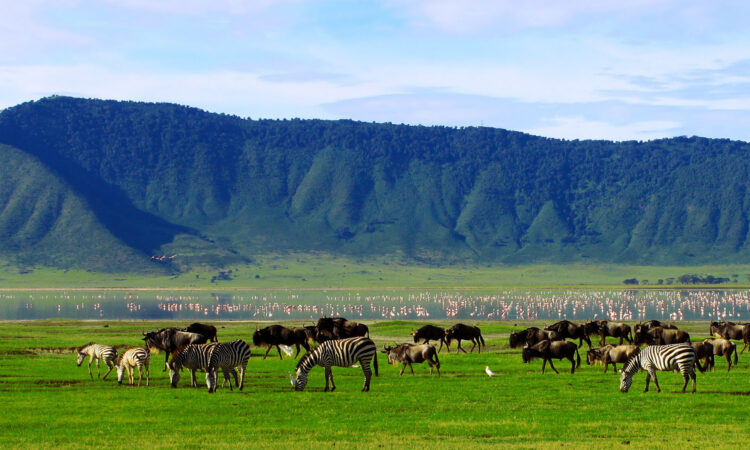
The game drive takes place from inside the safari vehicle. The driver-guide follows the designated routes and searches for wildlife across the crater’s grasslands, woodland and wetland areas. Some of animals that can be spotted are wildebeest, black rhinos, zebras, gazelles, buffaloes, lions and hyenas are among the predators that may be encountered. The crater also contains water areas where hippos may be seen. Some of the birds that can be spotted include ostriches, kori bustards, secretary birds, vultures, eagles, storks and other grassland species may be seen depending on the season.
Lunch is normally taken at an approved picnic area. Visitors must follow the guide’s instructions and avoid approaching wildlife. After lunch and the final game viewing, the vehicle begins the climb out of the crater. If you have additional time, the wider Ngorongoro area has several attractions that can be visited and these include Empakai Crater, Olmoti Crater and Olduvai Gorge. After leaving the conservation area, continue towards Arusha. The drive normally takes about 3 to 4 hours depending on road conditions, traffic and stops along the way. You arrive in Arusha later in the afternoon or early evening. The safari ends at your hotel, airport or another agreed location.