

Game viewing is one of the leading tourist experiences across East Africa. The region is blessed with dozens of vast savannah national parks that are spread across all countries. These are homes to hundreds of wildlife species including the famous “Africa Big Five”. Visitors interested in game viewing safaris get a chance to watch a variety of animals in their natural habitats and learn how they live within their ecosystems. Wildlife in East Africa can be be found in different ecosystems including open grasslands, savannah, woodlands, wetlands, forests, rivers, lakes and semi-arid landscapes. Each habitat supports different species.
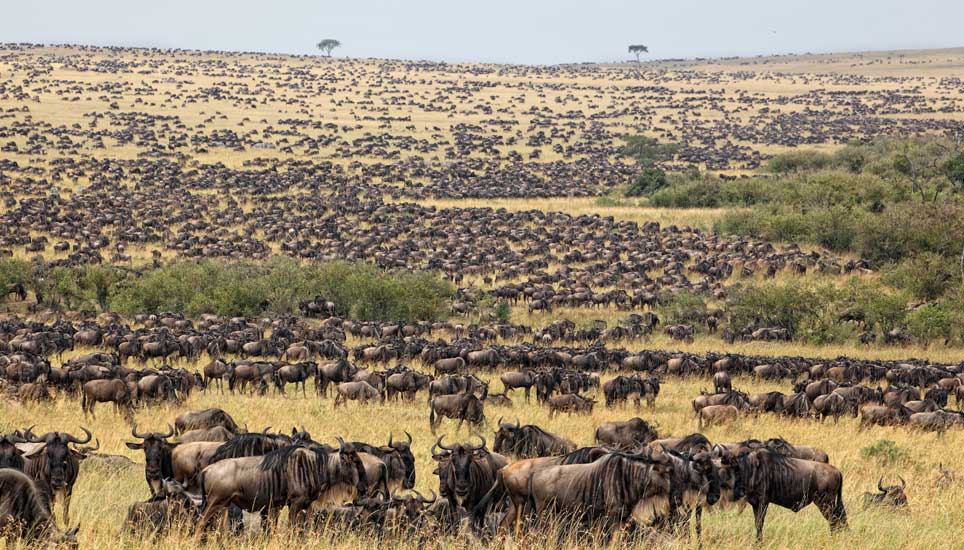
Leading destinations in game viewing safaris in East Africa are Kenya, Tanzania, Uganda and Rwanda. They share some wildlife species but each country offers different landscapes and wildlife experiences. Kenya and Tanzania are widely known for large savannah ecosystems and the Serengeti-Mara wildebeest migration. Uganda combines savannah game viewing with boat safaris and primate tracking. Rwanda’s main savannah safari destination is Akagera National Park where game drives can be combined with boat trips and night drives.
Game viewing safaris in East Africa
Game viewing means observing wild animals in their natural environment. The word “game” in this context refers to wild animals rather than domestic animals. Today, the activity is mainly associated with photographic tourism and wildlife observation. Most game viewing is done during game drives from a safari vehicle. Visitors travel along permitted roads and tracks with a guide who searches for wildlife and explains what they see. However there are other ways game viewing can be done for instance;
Game drive
Game viewing day can start with morning game drives which are common in most East African parks. The early hours are generally cooler than the middle of the day. Some animals are still active after the night while others are beginning to move toward feeding or resting areas. Afternoon drives normally begin later in the day. As temperatures start to fall, some animals become active again. A guide may look around water sources, open grasslands and woodland edges. For example, elephants that spent the hottest part of the day in shade may begin moving toward water or feeding areas later in the afternoon.
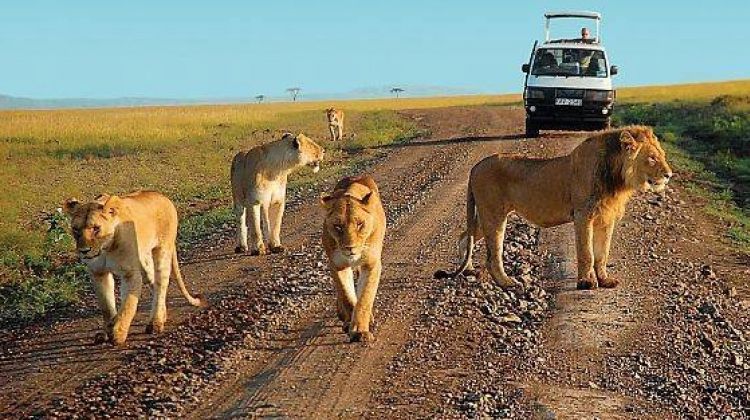
A full-day drive allows visitors to spend more time inside a large protected area. This can be useful in parks where wildlife is spread across a wide area. Visitors normally carry lunch and water. The vehicle may stop at designated areas where visitors can eat and rest. A full-day drive can also allow visitors to visit different habitats within the same park.
The night game drives provide a different form of wildlife viewing. Many animals behave differently after sunset. Species that may be seen include lions, leopards, hyenas, bushbabies, genets, civets and nocturnal birds. Not every national park permits night driving. Akagera National Park in Rwanda offers guided night drives as part of its wildlife activities.
Boat safaris
Boat safaris allow visitors to observe wildlife from rivers and lakes. They are particularly useful for animals that spend much of their time in or near water. Some of the animals that can be spotted include hippopotamuses, crocodiles, elephants, buffaloes, waterbirds and other animals drinking along the shoreline. Uganda has several water based wildlife experiences for instance; in Queen Elizabeth National Park, boat trips along the Kazinga Channel allow visitors to watch hippos, crocodiles, elephants and birds.
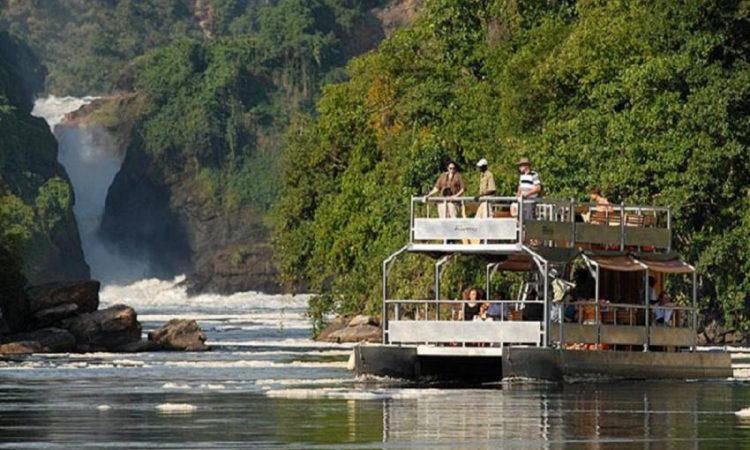
Murchison Falls National Park also offers boat trips along the Nile toward the bottom of Murchison Falls. Animals may be seen along the riverbanks as the boat moves through the area. Lake Ihema in Akagera National Park provides another example.
Walking safaris
Walking allows visitors to experience wildlife areas at ground level. The focus is often broader than large mammals. A guide may explain animal tracks, plants, insects, birds, animal droppings, medicinal plants, signs of feeding and different vegetation types. For example, a guide may show visitors where an elephant has stripped bark from a tree. Along the way there are a series of small tracks of smaller mammals. Walking also requires strict attention to safety. Visitors should never approach wild animals on foot without proper guidance and permission.
Hot-air balloon safaris
Hot-air balloon safaris are available in selected East African destinations. They are particularly associated with the Serengeti and Maasai Mara areas. The balloon gives visitors a view of the landscape from above. From the air, visitors may see large herds moving across open grasslands. The experience also shows how different habitats connect across a large area. Balloon flights depend on suitable weather and operate under local regulations.
Game viewing destinations
Game viewing in Kenya
Kenya has a wide range of wildlife habitats. Its protected areas include savannahs, wetlands, forests, mountains and dry northern landscapes. Game viewing is an activity that takes place across different habitats including savannah grasslands, forests, arid scrublands and wetlands.
Maasai Mara
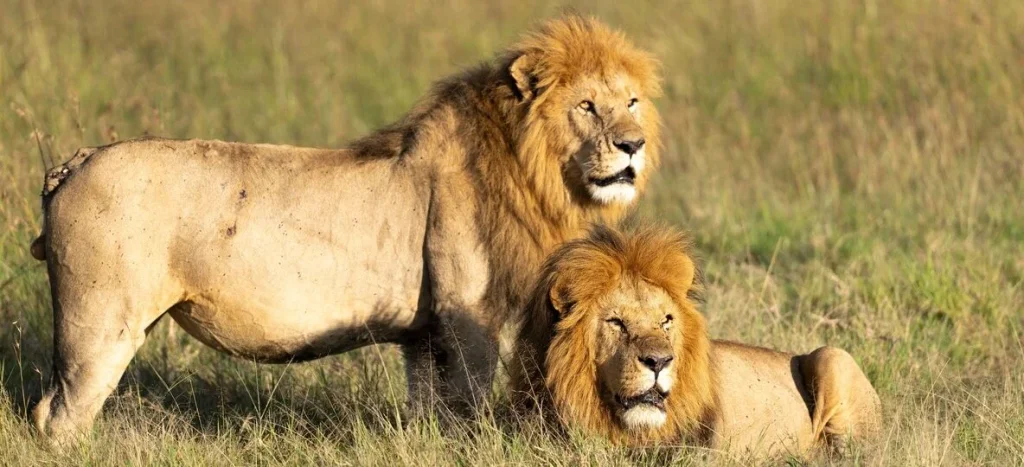
The Maasai Mara is one of Kenya’s major wildlife-viewing destinations. It forms part of the larger Serengeti-Mara ecosystem. The area supports large populations of herbivores and predators. Visitors may see wildebeest, zebra, giraffe, buffalo, elephant, lion, leopard, cheetah, hyena, gazelles and other antelopes
The Mara forms part of the annual wildebeest migration system. The migration involves animals moving between the Serengeti and Maasai Mara ecosystems. The timing and location change according to rainfall, water and pasture. Visitors should therefore understand that there is no single guaranteed migration date.
Amboseli National Park
Amboseli is particularly associated with elephants. The park is a major destination for elephant viewing. Its habitats include open grass plains, acacia woodland, thorny bushland, swamps and marshes. nThe park also supports lions, cheetahs, buffaloes, giraffes, zebras, wildebeest, antelopes and many bird species. Amboseli hosts more than 400 bird species that have been recorded
Tsavo East and Tsavo West
Tsavo is divided into two national parks. Tsavo East has large open and semi-arid landscapes, while Tsavo West contains more varied terrain and vegetation. The wider Tsavo ecosystem supports elephants, lions, buffaloes, giraffes, zebras and various antelope species.
Tsavo also contains springs, woodland and other habitats. The different landscapes mean that wildlife viewing can change considerably within the same region.
Nairobi National Park
Nairobi National Park is close to Kenya’s capital. Visitors can therefore combine a city stay with wildlife viewing. The park supports species including lions, leopards, buffaloes, rhinos, giraffes, zebras, hippos and antelopes. This is an example of how protected wildlife areas can exist close to major urban centres.
Game viewing in Tanzania
Tanzania contains some of East Africa’s largest connected wildlife ecosystems. The Serengeti and Ngorongoro areas are especially important while Tarangire, Nyerere and Ruaha provide additional safari options.
Serengeti National Park
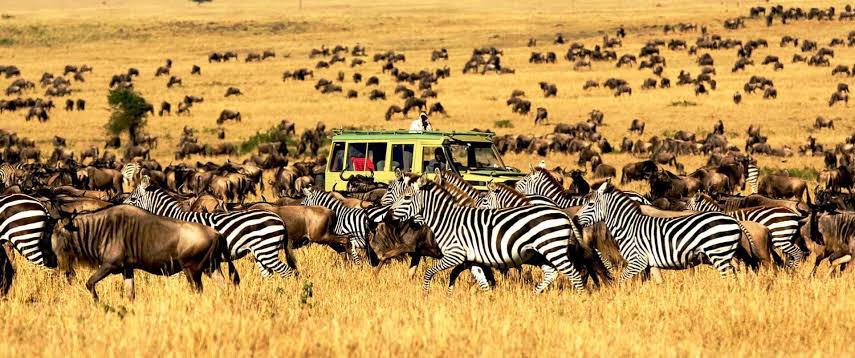
The Serengeti covers about 1.5 million hectares of savannah. The annual migration of large numbers of wildebeest, gazelles and zebras is one of the ecological features of the Serengeti ecosystem. The ecosystem also supports large predator populations. Visitors can look for lions, leopards, cheetahs, hyenas, elephants, buffaloes, giraffes, wildebeest, zebras, gazelles, hippos and other species. During game drive visitors may drive through open plains and find thousands of wildebeest spread across the landscape. The guide may explain that the animals are part of a much larger seasonal movement. Later, you may encounter lions resting near the grazing herds.
Ngorongoro Conservation Area
Ngorongoro is different from a conventional national park. It is a multiple-use conservation area where wildlife and pastoral communities coexist. The conservation area contains highland plains, savannah, woodland and forest. It also includes the Ngorongoro Crater, the world’s largest unbroken caldera. Wildlife in the area includes black rhinoceros, lion, elephant, buffalo, hippo, zebra, wildebeest, gazelles, hyenas and many bird species. The crater can provide concentrated wildlife viewing because many animals live within its enclosed ecosystem.
Tarangire National Park
Tarangire is known for elephants, baobab trees and seasonal wildlife movements. The Tanzania National Parks Authority identifies elephants, wildebeest, zebra, buffalo, lions, leopards, hyenas and other wildlife among the park’s attractions. During dry periods, the Tarangire River and wetlands become important water sources. Animals may gather around these areas. For example, a visitor may find elephants feeding near the river while buffalo and other herbivores are nearby. Tarangire also has significant birdlife with more than 550 bird species.
Game viewing in Uganda
Uganda offers a combination of savannah wildlife, lakes, rivers and forests. This makes it possible to combine game drives with boat safaris and primate experiences. The main savannah destinations include Murchison Falls, Queen Elizabeth, Kidepo Valley and Lake Mburo. Pian Upe can also be used as an area for game drives, bird watching, nature walks and community experiences.
Murchison Falls National Park
Murchison Falls is Uganda’s largest national park. The northern sector contains an open savannah where visitors can search for large mammals. These include elephant, buffalo, giraffe, Uganda kob, Jackson’s hartebeest, warthog, lion, leopard and other antelopes.
The park allows visitors to experience both land-based and water-based wildlife viewing during the same safari. For instance, a morning drive can begin around the northern sector. The guide may first find Uganda kob grazing in open grassland. The vehicle may then move toward areas where giraffes and elephants are commonly seen. If the guide notices vultures circling ahead, they may investigate the area for a carcass. The drive can later be combined with a boat trip on the Nile.
Queen Elizabeth National Park
Queen Elizabeth is one of Uganda’s savannah parks. The Kasenyi plains are known for Uganda kob and other grassland species. Visitors may also see buffalo, elephant, lion, leopard, warthog, hippo and antelopes.
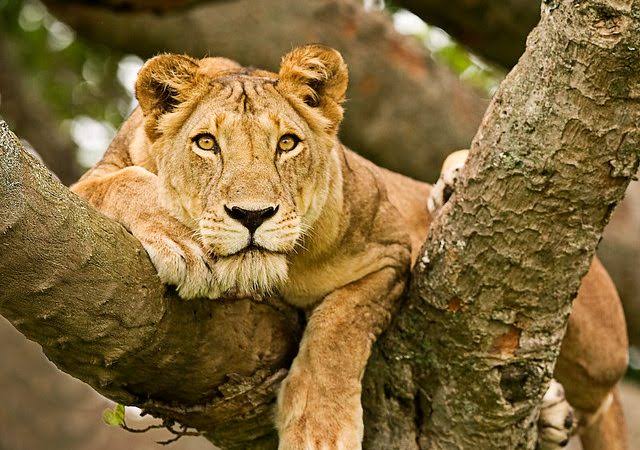
The Ishasha sector in the southern part of Queen Elizabeth National Park is known for tree-climbing lions. Visitors may find lions resting on large branches during the heat of the day. The behaviour should not be treated as guaranteed on every visit. A visitor can travel through Ishasha without finding a lion in a tree because the animals move between different areas.
The Kazinga Channel connects Lake Edward and Lake George. Boat trips provide opportunities to observe hippos, crocodiles, elephants, buffaloes and birds. Animals may gather along the shoreline to drink or rest. The boat also provides a lower viewing angle than a safari vehicle which allows visitors to observe animals at the water’s edge.
Kidepo Valley National Park
Kidepo is in northeastern Uganda. Its climate and vegetation differ from many of Uganda’s western parks. The park supports lions, leopards, cheetahs, elephants, buffaloes, giraffes, zebras, Jackson’s hartebeest, Ostriches and several antelope species
Kidepo also allows visitors to combine wildlife viewing with cultural experiences among communities in the Karamoja region. For instance, a visitor may drive through the Narus Valley and search around water and grassland areas. The guide may explain how wildlife uses the valley during dry periods. Later, the drive can move toward more open areas where giraffes, zebras and antelopes may be found.
Lake Mburo National Park
Lake Mburo is smaller than several of Uganda’s major savannah parks. However, it has a different wildlife profile. Visitors may see zebra, impala, eland, buffalo, giraffe, warthog, hippo, waterbuck and other antelopes. The park also provides walking experiences.
Instead of spending the whole day in a safari vehicle, a visitor can take a guided walk. The guide may point out zebra tracks, animal dung, birds and plants. The visitor may then take a game drive later in the day. This combination provides a different understanding of the park.
Game viewing in Rwanda
Rwanda’s main savannah wildlife destination is Akagera National Park. The country is also known for gorilla and chimpanzee tourism but those experiences take place in forest environments rather than traditional savannah game viewing areas.
Akagera National Park
Akagera contains savannah, woodland, wetlands and lakes. Visitors can spot elephant, buffalo, lion, leopard, black rhino, white rhino, giraffe, zebra, hippo, topi, impala, waterbuck, eland and spotted hyena. The park also hosts over 500 bird species including the shoebill.
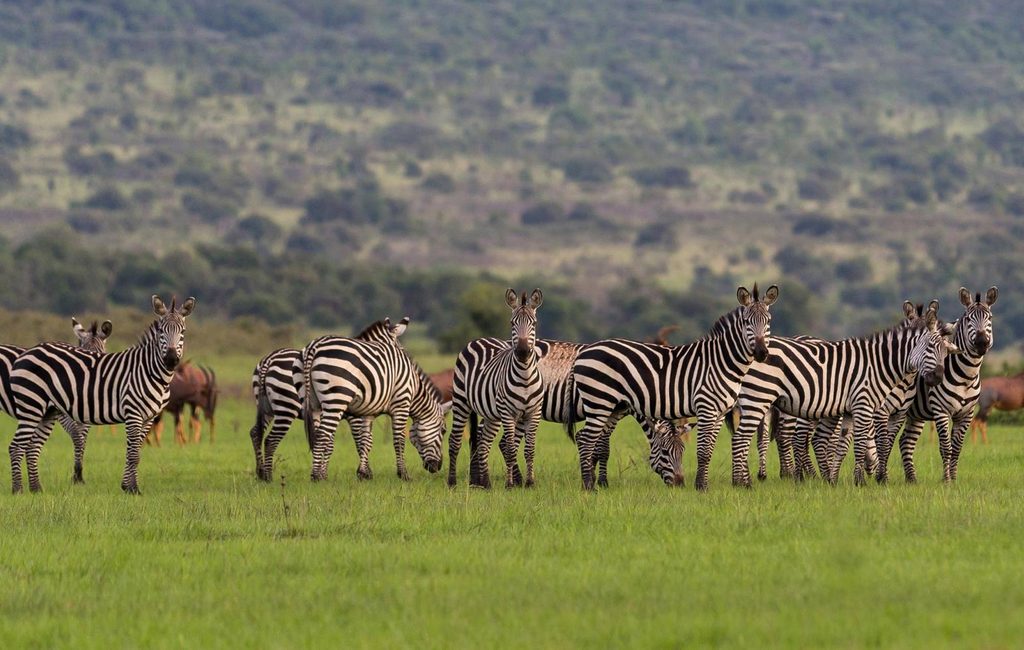
The park offers several different forms of wildlife viewing for instance a visitor can begin with a morning game drive. The guide may search for giraffes and zebras in open areas. The drive can continue toward areas where buffaloes or elephants are feeding. Later, the visitor can take a boat trip on Lake Ihema. The boat can provide views of hippos, crocodiles and waterbirds. A night drive can then provide opportunities to look for nocturnal animals.