

East Africa is a culturally rich region with hundreds of ethnic communities across all countries. Each community has its own language, history, food, social organisation and traditions. Cultural tourism gives visitors a chance to learn about these communities beyond wildlife safaris. A cultural tour may involve visiting a village, meeting local people, learning how food is prepared, watching traditional music and dance, visiting a historical site, seeing crafts being made or learning about farming and pastoral life.
Uganda, Kenya, Tanzania and Rwanda are especially suitable for cultural tourism. However, they do not offer the same type of cultural experience. For example, a visit to a Karamojong community in northeastern Uganda may focus on pastoral life and the traditional manyatta. A Hadzabe visit in Tanzania introduces visitors to hunter gatherer traditions. Around Mount Kilimanjaro, a Chagga tour can focus on coffee and mountain farming. On the Kenyan and Tanzanian coasts, Swahili culture introduces visitors to centuries of Indian Ocean trade.
The communities below are not a complete list of East Africa’s ethnic groups. They are selected because their cultural traditions, history, crafts, livelihoods or heritage sites provide particularly distinct experiences for visitors.
Cultural tours in Uganda
Uganda has a large number of ethnic communities spread across its central, eastern, northern and western regions. Some of these communities include Karamojong, Bagisu, Baganda, Bakonzo, Basoga and others as part of the country’s cultural diversity.
Karamojong
The Karamojong live mainly in the Karamoja region of northeastern Uganda. Their traditional life has been closely connected with livestock particularly cattle, goats and sheep. Karamoja is much drier than many other parts of Uganda. This environment has influenced settlement patterns, food, livestock management and other aspects of community life. One of the most recognisable features is the manyatta. A traditional manyatta is a settlement made up of homes enclosed within a thorn fence. The Karamojong settlements are in the form of clusters of homes protected by thorn-fenced enclosures.
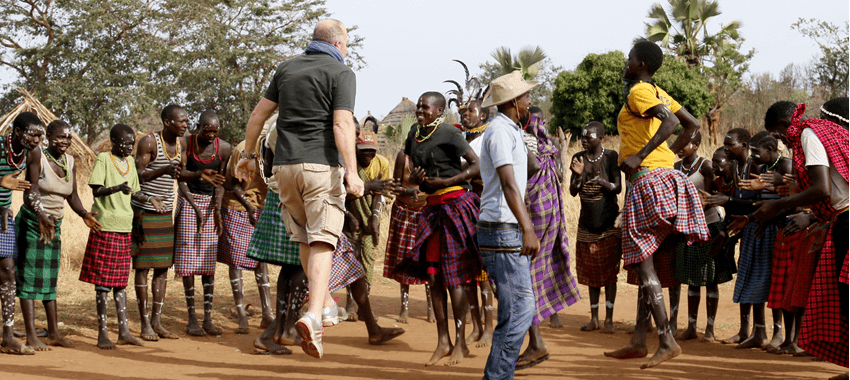
A community led cultural visit may involve walking through a manyatta and learning how the settlement is organised. Visitors may also learn about traditional homes, meet community members, learn about livestock keeping, watch traditional dances, learn about beadwork, taste local food, visit local markets, listen to stories about Karamoja and learn about traditional ways of coping with the dry climate. A Karamojong cultural tour can also be combined with a visit to Kidepo Valley National Park. This allows visitors to see how pastoral communities and wildlife tourism form part of the wider Karamoja region.
Bagisu and the Imbalu Tradition
The Bagisu also called the Bamasaaba, mainly live around Mount Elgon in eastern Uganda. They are particularly known for Imbalu, a traditional male initiation practice. Imbalu is one of the cultural traditions that most clearly distinguishes the Bagisu from many other communities visited on Uganda cultural tours. Imbalu is associated with the transition of boys into adulthood. The ceremonies involve community gatherings, songs, dancing and other cultural practices. The celebrations can attract large numbers of people during the Imbalu season.
Depending on the time of year and local arrangements, visitors may attend an approved Imbalu event, watch traditional dances, learn about the history of the ceremony, visit local communities, visit coffee farms, learn how coffee is processed, taste locally grown coffee and learn about local foods and farming.
Baganda and Buganda Kingdom Heritage
The Baganda are the main ethnic community associated with the Buganda region of central Uganda. Their cultural tourism is strongly connected with the Buganda Kingdom, traditional leadership, clan organisation, royal history, architecture and living cultural practices. Buganda has a traditional monarchy headed by the Kabaka. Buganda’s cultural heritage sites include Kasubi Tombs, Lubiri, Bulange, Kabaka’s Lake and Wamala Tombs among others.
Kasubi Tombs
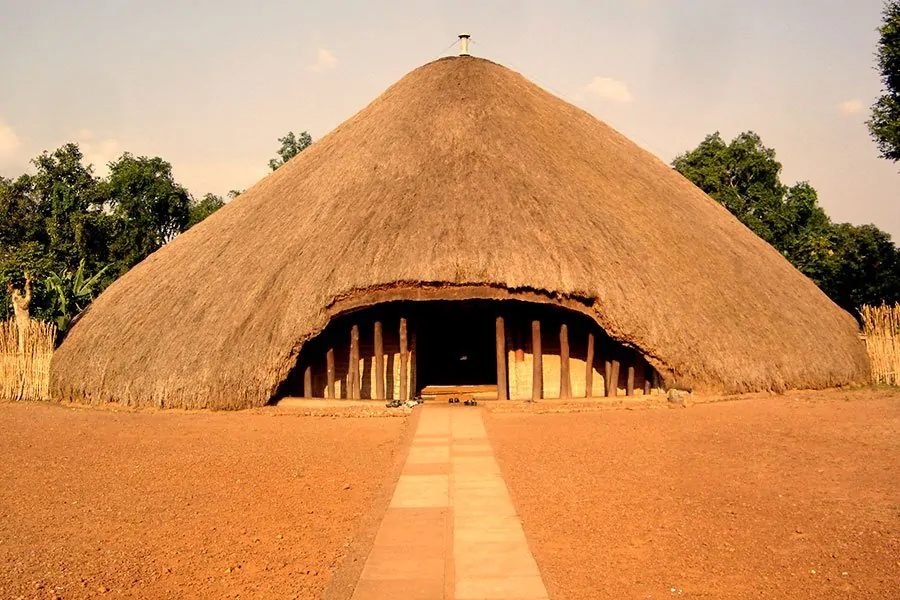
The Tombs of Buganda Kings at Kasubi are particularly important. UNESCO inscribed the site as a World Heritage Site in 2001. It is the burial place of four former Kabakas of Buganda. The main structure Muzibu-Azaala-Mpanga is a large circular building constructed using materials such as wood, reeds, thatch and wattle. Kasubi tombs are described as a major spiritual centre for the Baganda and a place where cultural and religious practices continue. The site was badly damaged by fire in 2010. Reconstruction followed and later Kasubi was removed from the World Heritage List in Danger in 2023.
A Buganda cultural tour can include visiting Kasubi Tombs, visiting Lubiri Palace, visiting Bulange, visiting Kabaka’s Lake, learning about Buganda’s clans, learning about royal traditions, seeing traditional crafts, learning about bark cloth, learning about Ganda food and watching traditional dances. For example, Bakisimba, Muwogola and Amagunju are among the traditional dances associated with Baganda culture. Buganda therefore offers a cultural experience centred more on kingdom history, royal heritage and living traditions.
Bakonzo cultural experiences
The Bakonzo live mainly in the Rwenzori region of western Uganda. Their cultural identity is closely connected with the mountains and the environment around the Rwenzori range. The mountainous environment has influenced farming, settlement and traditional knowledge. A cultural visit can introduce visitors to mountain farming, local foods, traditional knowledge of plants, music and dance, oral history, community life, traditional beliefs, the relationship between people and the Rwenzori environment. A Bakonzo cultural experience can be combined with a Rwenzori mountain trip.
Batwa cultural heritage
The Batwa are an Indigenous forest associated community found in parts of the Great Lakes region including Uganda and Rwanda. Their traditional culture has a strong relationship with forest environments. In Uganda, Batwa cultural experiences are associated with communities around the forests of southwestern Uganda including areas near Bwindi and MgahingaNational parks.
A community led visit can explain how forest resources were traditionally used, traditional food gathering, plant knowledge, traditional tools, music and dance, storytelling, pottery and traditional social life. The Batwa no longer live exactly as they did before protected forests were established. Conservation and displacement changed their traditional relationship with the forests.
Cutural tours in Kenya
Kenya has more than 40 communities and cultural tourism includes living traditions, music, dance, food, crafts, historical sites and coastal heritage.
Maasai
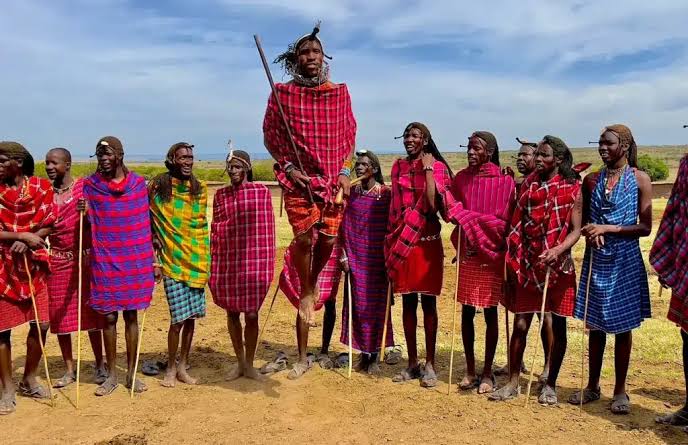
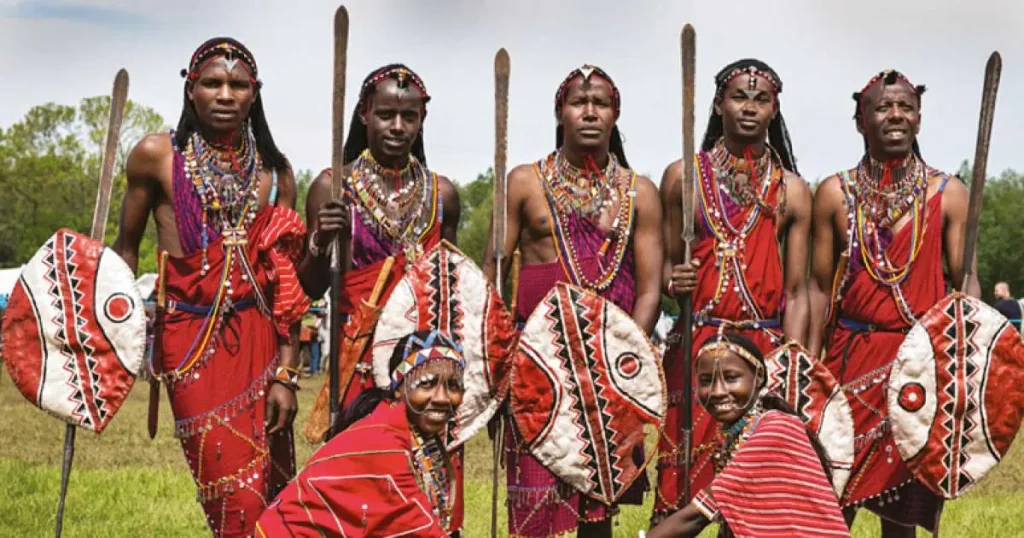
The Maasai live mainly in southern Kenya and northern Tanzania. They are traditionally associated with pastoralism particularly cattle keeping. Important features include cattle keeping, age-set organisation, beadwork, traditional clothing, songs, dance, oral traditions, pastoral knowledge and community ceremonies. The Adumu, often called the Maasai jumping dance, is one of the best known Maasai cultural expressions. In Kenya, cultural visits can be arranged in areas around Maasai Mara, Narok, Kajiado and Amboseli.
Samburu
The Samburu live mainly in northern Kenya. They are related to the Maasai in language and aspects of culture but they are a distinct community. Samburu cultural traditions include pastoralism, cattle keeping, goats and sheep, camel keeping, age-set organisation, beadwork, traditional clothing, songs and dance.
Camel keeping is particularly relevant in northern Kenya because camels can travel long distances and cope with dry conditions. The main tourism areas include the wider Samburu region and communities around Samburu National Reserve.
Turkana
The Turkana live mainly in northwestern Kenya particularly around Lake Turkana. The environment is much drier than the Kenyan highlands and coastal areas. Turkana livelihoods have traditionally included pastoralism while communities around Lake Turkana have also had strong fishing traditions. Lake Turkana is also important for archaeology and human evolutionary research. The wider Lake Turkana region contains important fossil discoveries including the specimen commonly known as Turkana Boy.
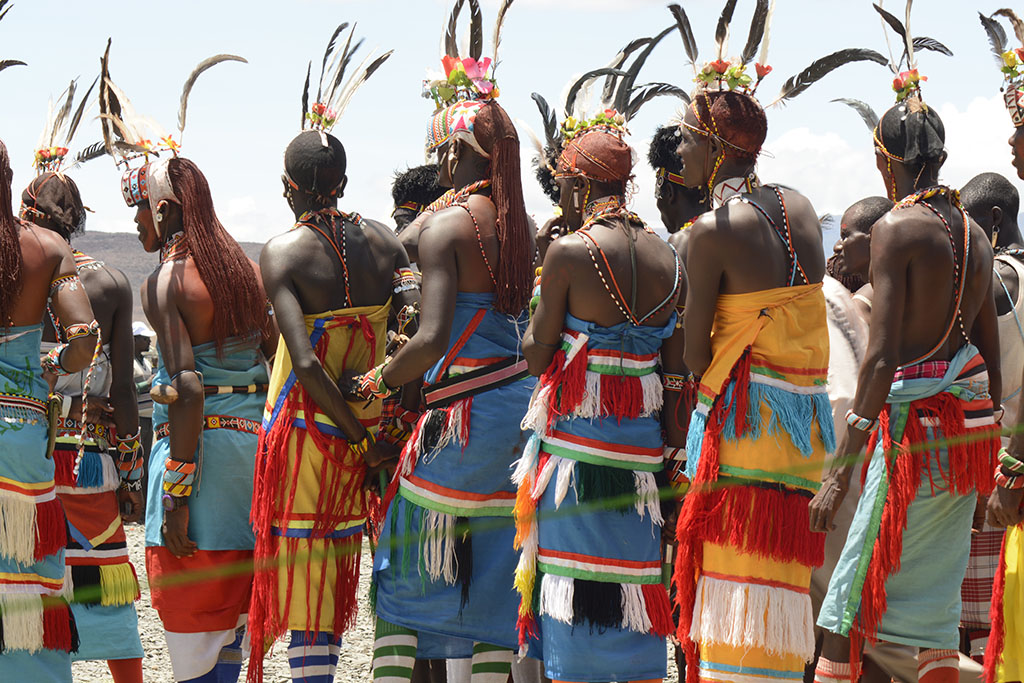
A cultural tour may include visiting a local settlement, learning about pastoral life, learning about fishing, seeing traditional crafts, visiting local markets, learning about beadwork, exploring Lake Turkana and combining cultural visits with archaeological sites.
Swahili Coastal culture in Kenya
Swahili culture developed along the East African coast through centuries of interaction and trade across the Indian Ocean. It has African roots and also reflects long term connections with Arabia, Persia, India and other trading communities. Lamu Old Town is one of the best known places for experiencing Swahili heritage in Kenya. It is a UNESCO World Heritage Site and contains historic buildings, narrow streets and architectural features associated with the long history of the Swahili coast.
A cultural tour can include walking through Lamu Old Town, visiting historic buildings, learning about Swahili architecture, visiting markets, learning about coastal food, taking a dhow trip, visiting craft workshops and learning about Indian Ocean trade.
Cultural tours in Tanzania
Tanzania has more than 120 ethnic groups. Its cultural tourism includes pastoral communities, farming communities, hunter gatherer heritage, crafts, music, coastal culture and historic settlements.
Hadzabe
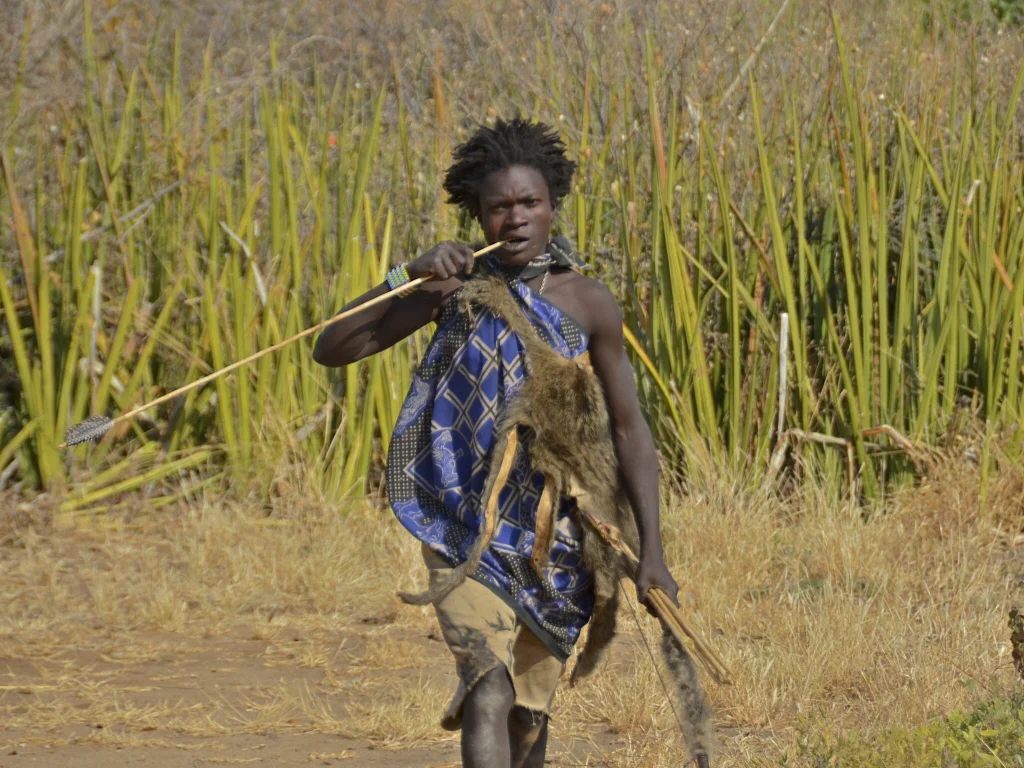
The Hadzabe live mainly around Lake Eyasi and the Yaeda Valley in northern Tanzania. They are traditionally a hunter gatherer community. They are considered as an Indigenous community living around the Ngorongoro Conservation Area. Their traditional knowledge includes hunting, gathering wild foods, knowledge of plants, knowledge of animals, fire-making, traditional tools, oral traditions and a distinctive language. A properly organised visit may include a demonstration of fire-making, bow and arrow use, wild food gathering, knowledge of local plants, traditional hunting techniques, songs and storytelling. Visitors should use community based or responsible operators, ask before taking photographs and understand that modern Hadzabe people also have contemporary lives.
Datoga
The Datoga live mainly around northern Tanzania including the Lake Eyasi and Ngorongoro areas. They are traditionally pastoralists but their cultural tourism is particularly known for blacksmithing and metalworking. They combine pastoralism and blacksmithing. Datoga cultural experiences may include cattle keeping, goat and sheep keeping, metalworking, jewellery making, leatherwork, beadwork, traditional homes and local trade.
Visitors may see artisans heating metal and shaping it into useful objects. Depending on the community and workshop, these can include knives, tools, jewellery and other household or agricultural items.
Chagga community
The Chagga live mainly on the slopes of Mount Kilimanjaro in northern Tanzania. Their culture is strongly connected with agriculture. The main features of Chagga cultural tourism include coffee farming, banana cultivation, mountain agriculture, traditional irrigation, local foods, traditional homes and local history. Visitors walk through Chagga villages and learn about coffee, bananas, fruits, vegetables and dairy farming. Coffee is one of the easiest ways to understand Chagga agriculture. A farm visit can explain how coffee is planted, how the plants are maintained, how ripe cherries are picked, how the cherries are processed, how the beans are dried, how coffee is roasted and how it is ground and prepared.
Iraqw cultural and farming experiences
The Iraqw live mainly in the northern Tanzanian highlands. They are particularly associated with agriculture and settlement in the highland environment. Iraqw communities practice terraced agriculture on the slopes of the Ngorongoro Highlands. Terracing allows farmers to work on sloping land while helping manage soil and water. A cultural visit can explain highland farming, terraced fields, local crops, food preparation, village life, traditional knowledge and local history.
Makonde art and wood carving
The Makonde are associated with southern Tanzania and neighbouring Mozambique. Their cultural heritage is particularly well known for wood carving. Makonde artistic traditions include wood carving, sculptures, masks, decorative objects, traditional designs and music and dance. A visit to a workshop may allow visitors to watch an artisan select a piece of wood, mark the design, remove material with carving tools, shape the figure, smooth the surface and add finishing details. Visitors can also learn about the meanings associated with different designs.
Swahili Coastal culture in Tanzania
Tanzania’s coast and islands have a long Swahili history. Cultural destinations include Zanzibar, Bagamoyo, Kilwa and other historic coastal settlements. The culture reflects centuries of Indian Ocean connections. Visitors can learn about Kiswahili, Islamic heritage, Indian Ocean trade, Coastal architecture, Dhow boats, fishing, spices, seafood, traditional music and local markets.
Zanzibar’s Stone Town provides a concentrated example of coastal heritage. A walking tour can take visitors through old streets and buildings while explaining the history of trade, religion, architecture and daily life. The ruins of Kilwa Kisiwani and Songo Mnara provide evidence of the medieval Swahili trading world. These ruins are part of the history of the Swahili coast and Indian Ocean commerce.
Cultural tours in Rwanda
Rwanda’s cultural tourism is closely connected to the country’s history, traditions, arts and community life. The country has a complex history and different communities so its culture cannot be explained through a single identity. Today, cultural tourism in Rwanda places more focus on shared traditions and cultural practices. Visitors can learn about the country’s royal history, traditional music and dance, crafts, food, storytelling and community activities.
Rwandan royal heritage
Rwanda had a monarchy before the establishment of the republic. The former royal tradition remains an important part of cultural tourism. The King’s Palace Museum in Nyanza is one of the main places where visitors can learn about this history. The royal heritage includes traditional monarchy, royal ceremonies, traditional architecture, cattle traditions, intore, oral history and traditional arts. The palace provides a way to understand Rwanda’s political and cultural history before and during the colonial period. The former royal tradition is also associated with Inyambo cattle. These long-horned cattle are descendants of the former royal herd. Visitors can learn about the relationship between cattle and Rwanda’s former royal institution.
Intore dance
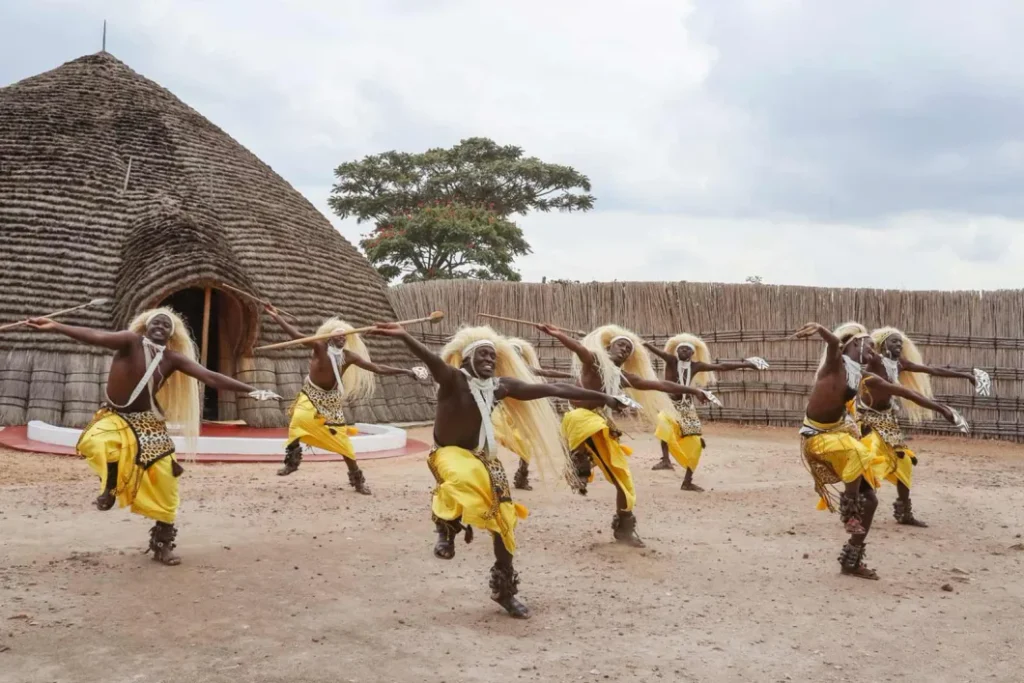
Intore is one of Rwanda’s best known traditional performing arts. UNESCO added Intore to the Representative List of the Intangible Cultural Heritage of Humanity in 2024. The dance is performed by groups of dancers arranged in lines. Their movements include jumping and gestures involving spears and shields. Traditional drums, horns, songs and poetry accompany the performance.
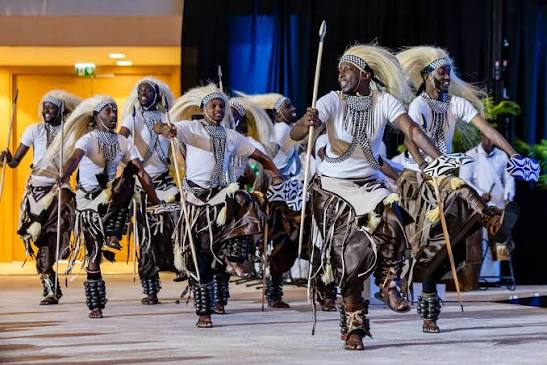
Historically, Intore was connected with the royal court and an institution known as Itorero. People trained through Itorero learned cultural values, public speaking, governance principles, traditional games and performing arts. Today, Intore is performed at different community and cultural events. A cultural performance can explain the history of the dance, the role of music, traditional costumes, the meaning of movements, the relationship with the former royal institution and how the tradition is transmitted today.
Rwandan basketry
Basket weaving is another important cultural craft in Rwanda. Traditional baskets have practical and decorative uses. Visitors can learn about materials used in weaving, preparing fibres, traditional patterns, weaving techniques, different uses of baskets and the role of craft cooperatives. A visitor may meet artisans and observe how a basket is produced rather than only seeing the finished item in a shop. Craft tourism can also provide a direct way of supporting local artisans when products are purchased fairly.
Imigongo art
Imigongo is a traditional Rwandan art form known for raised geometric patterns. The technique uses cow dung mixed with other materials to create raised designs on surfaces. Its geometric designs and production method make it different from ordinary painting. Visitors can learn about preparing the material, creating patterns, applying the raised design, adding colours and finishing the artwork. Imigongo is particularly associated with eastern Rwanda. A cultural visit can include a demonstration by local artists and an explanation of how the art has developed from a traditional practice into a contemporary craft.
Batwa heritage in Rwanda
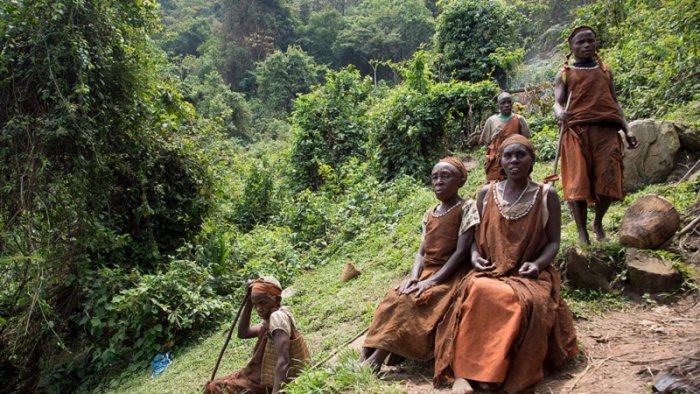
Batwa cultural heritage is also part of Rwanda’s cultural landscape. Their history is connected with forest environments and traditional forest knowledge. Depending on the community and tourism programme, visitors may learn about traditional pottery, forest knowledge, hunting and gathering traditions, traditional music, pottery, storytelling and community history.