

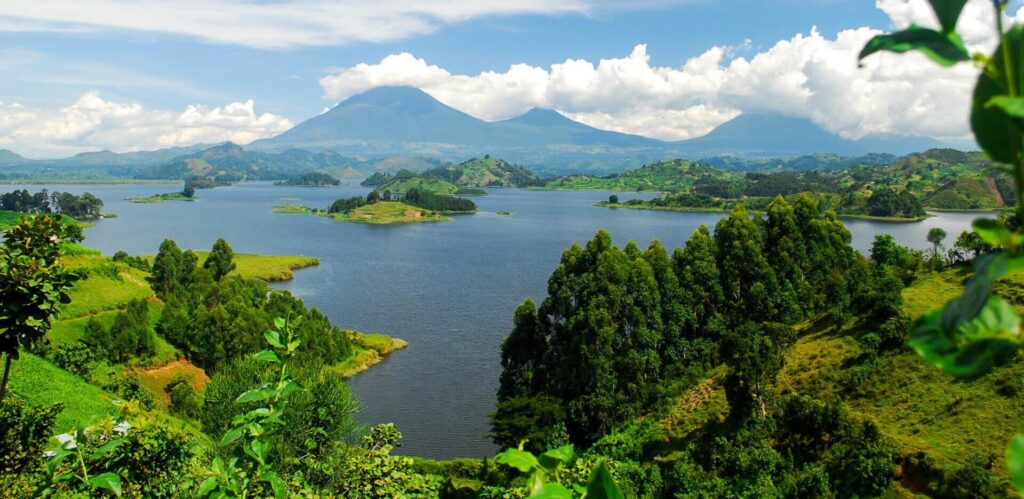
Lake Mburo National Park is Uganda’s smallest savanna national park located in Nyabushozi County in Kiruhura District between Kampala and Mbarara. The park covers about 370 sq km featuring a 50 km long wetland with 5 lakes inside the lake. The largest being Lake Mburo, a shallow lake with a maximum depth of around 5 meters. The park was named after Mburo, a legendary figure from a local folklore tale about a flood that filled the valley.
History of Lake Mburo National Park
Lake Mburo National Park has a history that goes back to the early years of wildlife protection in Uganda. The area was first gazetted as a controlled hunting area in 1933. In 1963, it became a game reserve before gaining national park status in 1983. Before the area became a national park, local communities used the land for livestock grazing and other activities. The change in status placed tighter controls on settlement, grazing and other human activities within the protected area. This led to disagreements between conservation authorities and some of the communities around the park.
The political situation in Uganda during the early 1980s also affected Lake Mburo. After the fall of President Milton Obote’s government in 1985, some people who had been displaced returned to the area. The period of instability affected park management, infrastructure and wildlife protection. Following the change of government in 1986, efforts were made to restore management of Lake Mburo as a national park. Conservation authorities faced the challenge of protecting wildlife while dealing with the interests of communities living around the protected area.
Over the years, conservation work has included protecting wildlife populations and restoring species that had disappeared from the area. One example is the reintroduction of giraffes in 2015 when 15 giraffes were moved from Murchison Falls National Park to Lake Mburo. Today, Lake Mburo National Park is managed by the Uganda Wildlife Authority (UWA).
Wildlife in Lake Mburo National Park
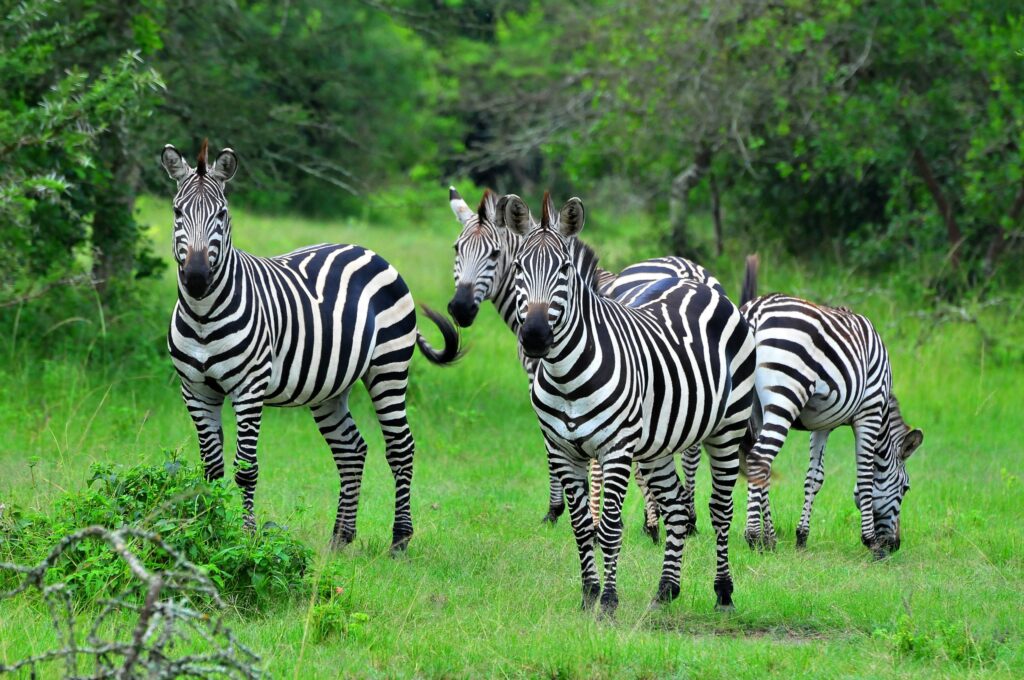
Lake Mburo National Park is known for zebras and impalas. Zebras are also commonly associated with the park and can be seen grazing in the open grasslands. Other antelopes found in the park include eland, topi, waterbuck, bushbuck, oribi and reedbuck. Buffaloes and warthogs are also present. Giraffes are another species that can be spotted. They were reintroduced to Lake Mburo in 2015 when 15 animals were moved from Murchison Falls National Park.
The park also has several predators. Leopards, spotted hyenas and side-striped jackals occur in the area although they are not seen as regularly as the grazing animals. Their movements depend on factors such as food availability, habitat and time of day. The lakes and wetlands add another group of wildlife to the park. Hippos and Nile crocodiles live in and around Lake Mburo. The water bodies also provide habitat for many bird species.
Lake Mburo National Park has more than 315 bird species including savanna and wetland birds. Some of these birds include African finfoot, southern ground hornbill, black-bellied bustard and bare-faced go-away bird.
Flora in Lake Mburo National Park
Lake Mburo National Park has several types of vegetation within its relatively small area. These include open grasslands, woodlands, thickets, swamps, gully forests and riverine forests. The vegetation changes across the park because of differences in soil, rainfall, fire, grazing and water availability. Open grasslands are common in the eastern and central parts of the park. They contain grasses such as Sporobolus pyramidalis, Sporobolus africanus, Loudetia kagerensis, Themeda triandra and Hyparrhenia species. These grasslands provide feeding areas for herbivores such as zebras, impalas, topi and elands.
Woodland is another vegetation type in Lake Mburo National Park.
Acacia hockii is one of the dominant trees recorded in the park while Acacia gerrardii and Acacia sieberiana also occur in several areas. Some valleys contain more developed woodland while other areas have a mixture of trees and open grass. The park also has areas of thicket and gully forest, particularly in the western section. Trees recorded in these areas include Combretum molle, Albizia species and Euphorbia species. These forest patches are found between the park’s hills and provide vegetation that differs from the surrounding savannah.
Lake Mburo has swamps and other wetland areas with papyrus among the plants associated with these habitats. The wider Mburo-Nakivale wetland system is recognised for its ecological importance and supports both plant and animal species. Along the shores of Lake Mburo and parts of the River Rwizi, there are narrow strips of riverine forest. Plants recorded in these areas include Markhamia platycalyx, Teclea nobilis, Ficus species, Acacia xanthophloea and Phoenix reclinata. These areas have more access to water than the surrounding grasslands and support a different group of plants.
Activities in Lake Mburo National Park
Lake Mburo National Park offers a variety of activities which include game drives, nature walks, cycling, birding and boat cruises among others. The activity you choose depends on how much time you have, your interests and how active you want your visit to be.
Game drives
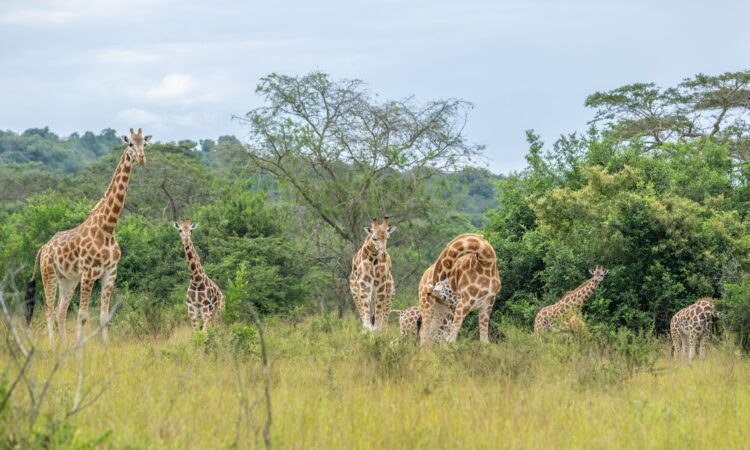
Game drives are the main way to explore the wildlife areas of Lake Mburo National Park. Visitors travel along designated tracks in a safari vehicle usually with a driver guide who helps identify animals and explains the park’s habitats. During a drive, you may come across zebras, impalas, giraffes, buffaloes, topi, elands, waterbucks and warthogs. Predators such as leopards and hyenas are also present although they are less predictable to find.
A morning drive allows visitors to search for animals when temperatures are still relatively low. An afternoon drive provides another opportunity as animals become more active later in the day. The park also offers night game drives. These are done after dark with the appropriate ranger support and allow visitors to look for animals that are difficult to see during daylight. Nocturnal species and some predators may be active at this time.
Boat cruise on Lake Mburo
A boat cruise is one of the main water-based activities offered by the park. The boats operate from the jetty around the Rwonyo area and take visitors onto Lake Mburo. The trip gives visitors a different view of the park because much of the wildlife is observed from the water rather than from a vehicle. You may see hippos in the lake, Nile crocodiles along the shoreline and buffaloes or antelopes near the water. The lake is also useful for bird watching with species such as African fish eagles, kingfishers, herons and egrets found around the water.
Guided nature walks
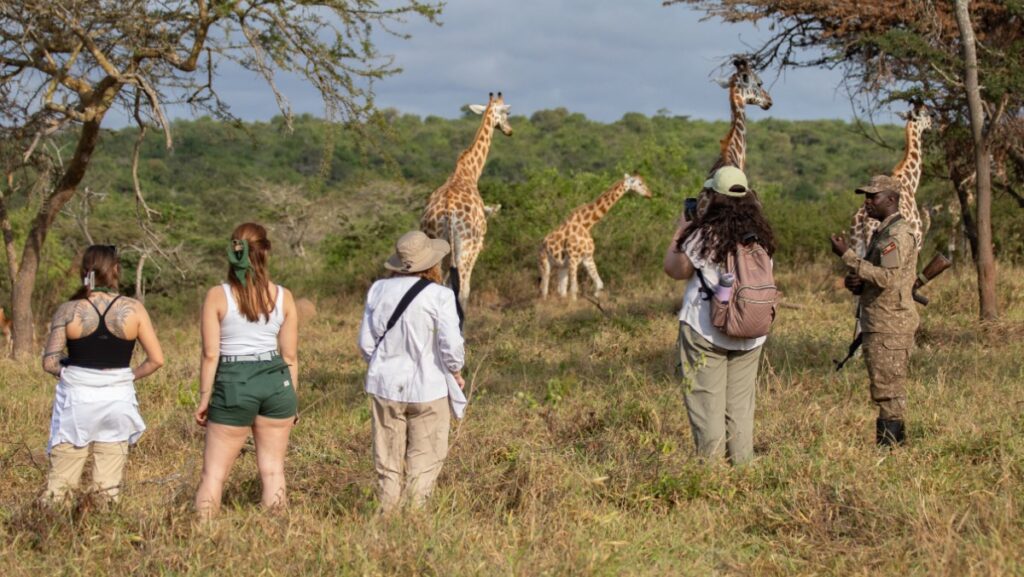
Lake Mburo is one of the Ugandan national parks where visitors can explore parts of the park on foot with an authorized ranger. A walking safari is different from a game drive because the focus is not only on large animals. The guide can point out animal tracks, droppings, plants, insects, birds and other signs of wildlife that are easy to miss from a vehicle.
The walk can also help visitors understand how different habitats connect. You may move through grassland, woodland or areas close to wetlands while learning about the plants and animals found there. Visitors must follow the ranger’s instructions and maintain a safe distance from wildlife.
Bird watching
Bird watching in Lake Mburo can be done during game drive, nature walk or boat ride. The park hosts more than 315 bird species and some of them include the African finfoot, southern ground hornbill, black-bellied bustard and bare-faced go-away bird.
Horseback riding Safaris
Horseback riding provides another way of exploring parts of the Lake Mburo landscape. The activity is offered through a concession associated with Mihingo Lodge. Riders are taken along selected routes where they can observe the landscape and wildlife from horseback.
Before the ride begins, participants receive instructions on how to handle the horse and how to behave around wildlife. The pace depends on the rider’s experience and the conditions of the trail. For example, a rider may pass through open grassland where zebras and antelopes are grazing. The guide decides how close the horses can safely approach wildlife. This activity is not suitable for everyone, so visitors should check age, weight, riding experience and other requirements with the operator before booking.
Cycling and mountain biking
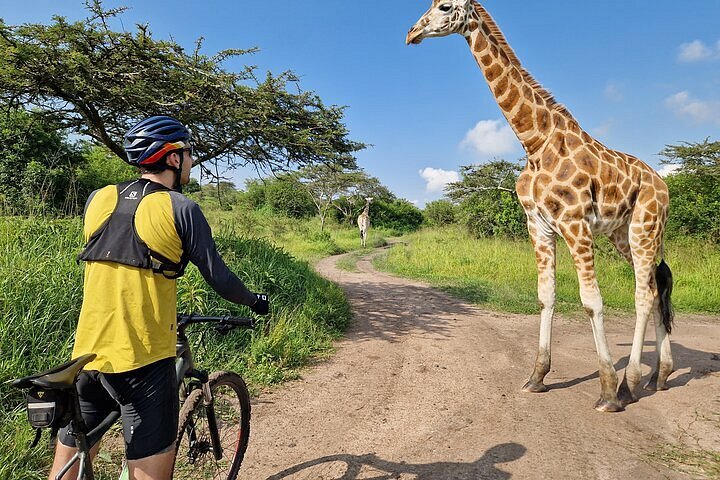
Cycling allows visitors to explore selected areas of the park on a bicycle. The activity is carried out on designated routes and can be arranged through operators working in the Lake Mburo area. Cycling requires more physical effort than a vehicle safari especially on uneven or hilly sections. The advantage is that the bicycle moves quietly, allowing visitors to pay close attention to the surroundings.
A ride can pass through savannah and woodland while giving opportunities to see animals such as zebras and impalas. Visitors should not cycle independently towards animals. The route and safety arrangements should be confirmed with the authorised guide or operator before setting off.
Cultural Visits Around Lake Mburo
The park is part of the Ankole region which has a long history of cattle keeping. A community visit can introduce visitors to local livelihoods, food, crafts and aspects of traditional cattle culture. The exact experience depends on the community or tourism group being visited. It is important to use organised community tourism services rather than entering people’s homes or land without permission.
For example, a cultural visit allows visitors to learn about cattle keeping or seeing how local crafts are made. Such visits give travellers an understanding of the people living around the protected area.
Best time to visit Lake Mburo National Park
Lake Mburo National Park can be visited throughout the year but the dry seasons are generally more suitable for wildlife viewing and road-based activities. The park lies in a rain shadow and has two main dry periods June to September and December to late Feburary or early March. The park receives rainfall during two main wet periods. The longer rains normally occur from February to June while shorter rains occur from September to December. Rainfall can be irregular with April and November usually receiving heavier rainfall.
How to get there
By Road
Lake Mburo National Park is the closest of all Uganda’s national parks to the capital city located between Kampala and Mbarara City. The park is mainly accessed by road over a journey of approximately 228 kilometers about 3-4hours
From Kampala, the park can be accessed through two gates. If traveling from Kampala the first branch off on the left leads you to the Nshara Gate for a distance of about 5 kilometers. The second is at Sanga Trading Center for a distance of about 13 kilometers to the park’s Sanga Gate.
Both gates are only about 2 kilometers from the park’s headquarters at Rwonyo. The park’s location makes a useful stop for travelers heading from Kampala towards Bwindi Impenetrable National Park, Queen Elizabeth National Park and other destinations in western Uganda.
By Air
Whereas there aren’t any direct flights into the park, tourists can charter flights from either Entebbe International Airport or Kajjansi Airstrip to Mbarara airstrip through one of the domestic carriers. The flight is approximately 1 hour. You will then transfer by road to the park for a short distance.